





Keep in Touch
รับข่าวสารเรื่องการออกแบบ สถาปัตยกรรม ไลฟ์สไตล์
ทางอีเมล ที่จะส่งตรงถึงคุณทุกเดือน ลงทะเบียนได้ที่ด้านล่างนี้เลย!


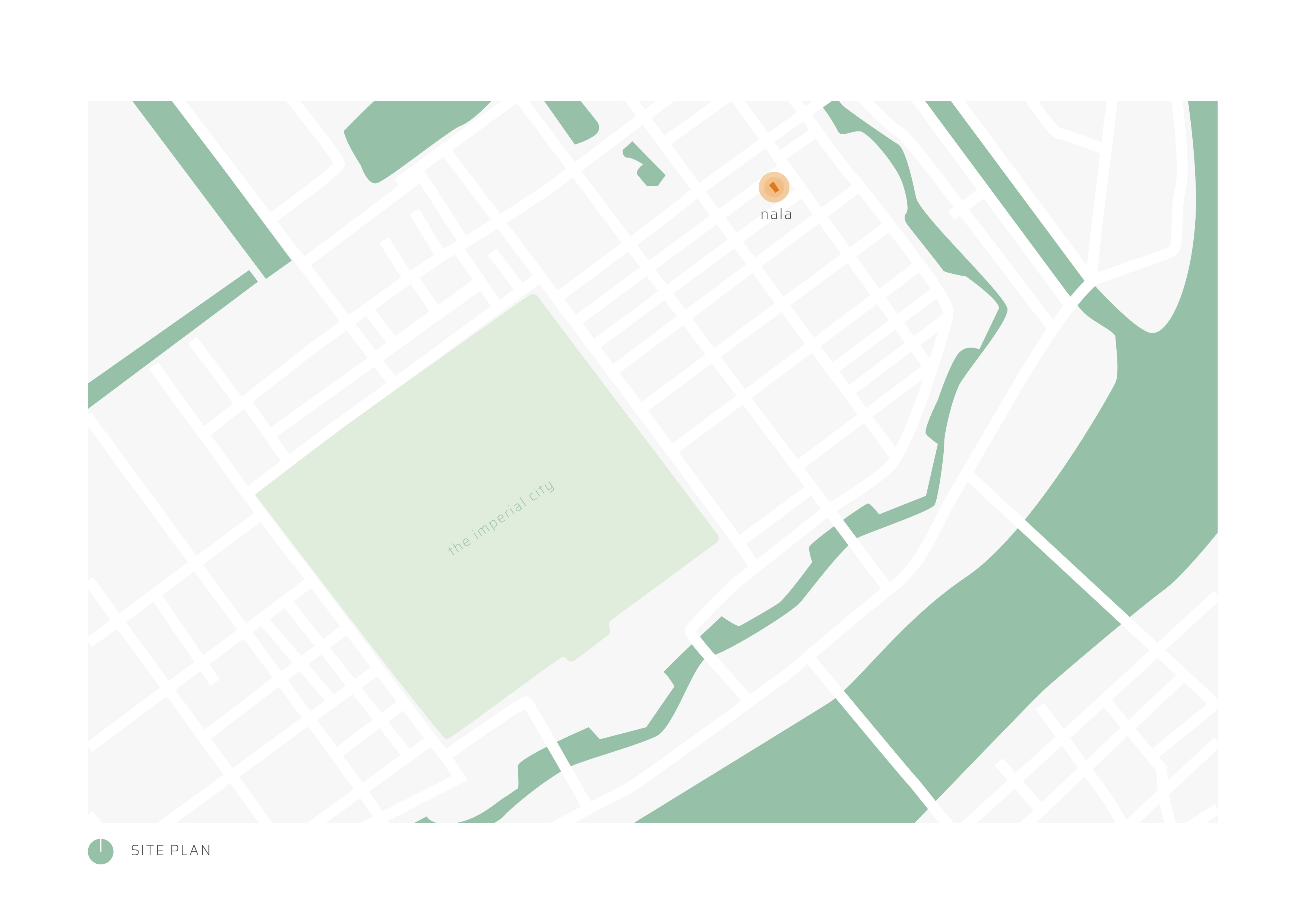
Located within the walls of Hue Citadel, quite a number of newly modified shophouses are starting to fill up the space, changing the face of the city little by little. Hue, the former capital city of Vietnam, is well-known for its historic sites built during the Nguyen dynasty. Not only is it attracting more tourists each year, but the relocation of designers and artists is also increasing. With this development, Vietnam is finally planning to be a part of UNESCO’s creative cities network, aiming towards the fields of ‘crafts and folk arts’ and ‘gastronomy.’

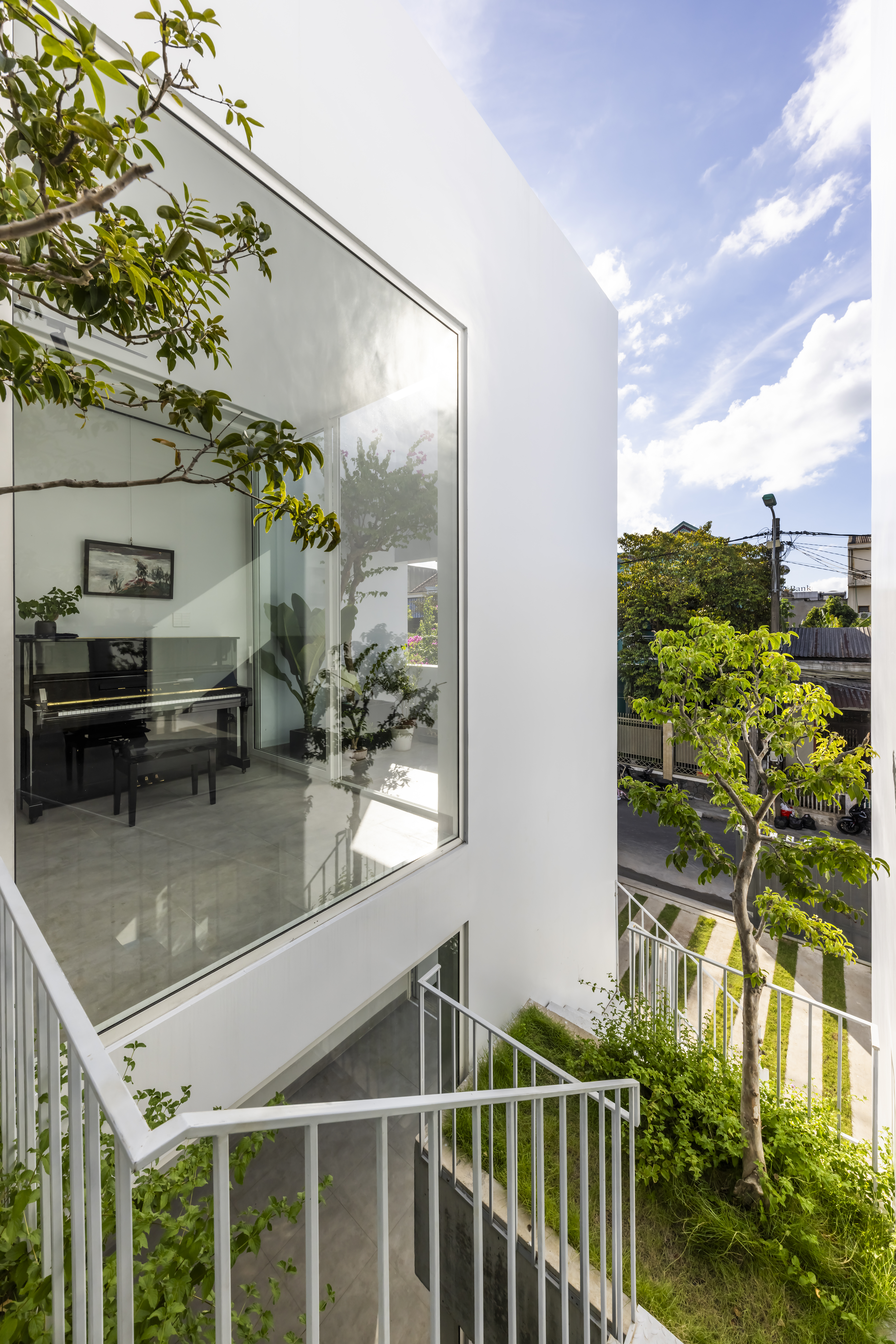
Nala House is an excellent example of proving the abovementioned statement. A small family lives in this white, almost wholly transformed shophouse that has an art gallery and a painting studio. It’s likely that, to many sightseers, the greenery cleft will be the most recognizable feature of this building.

“That’s why the house is called Nala. It means a ravine, a stream that runs through the house and physically and mentally heals those living in it,” stated NKAA (Nguyen Khai Architects Associates), the Hue-based studio responsible for the project’s design. “For shophouses, which have limited area, people are usually not willing to give spaces for a garden or courtyard. Instead, they prefer to use up every square meter for functional and commercial programs.”

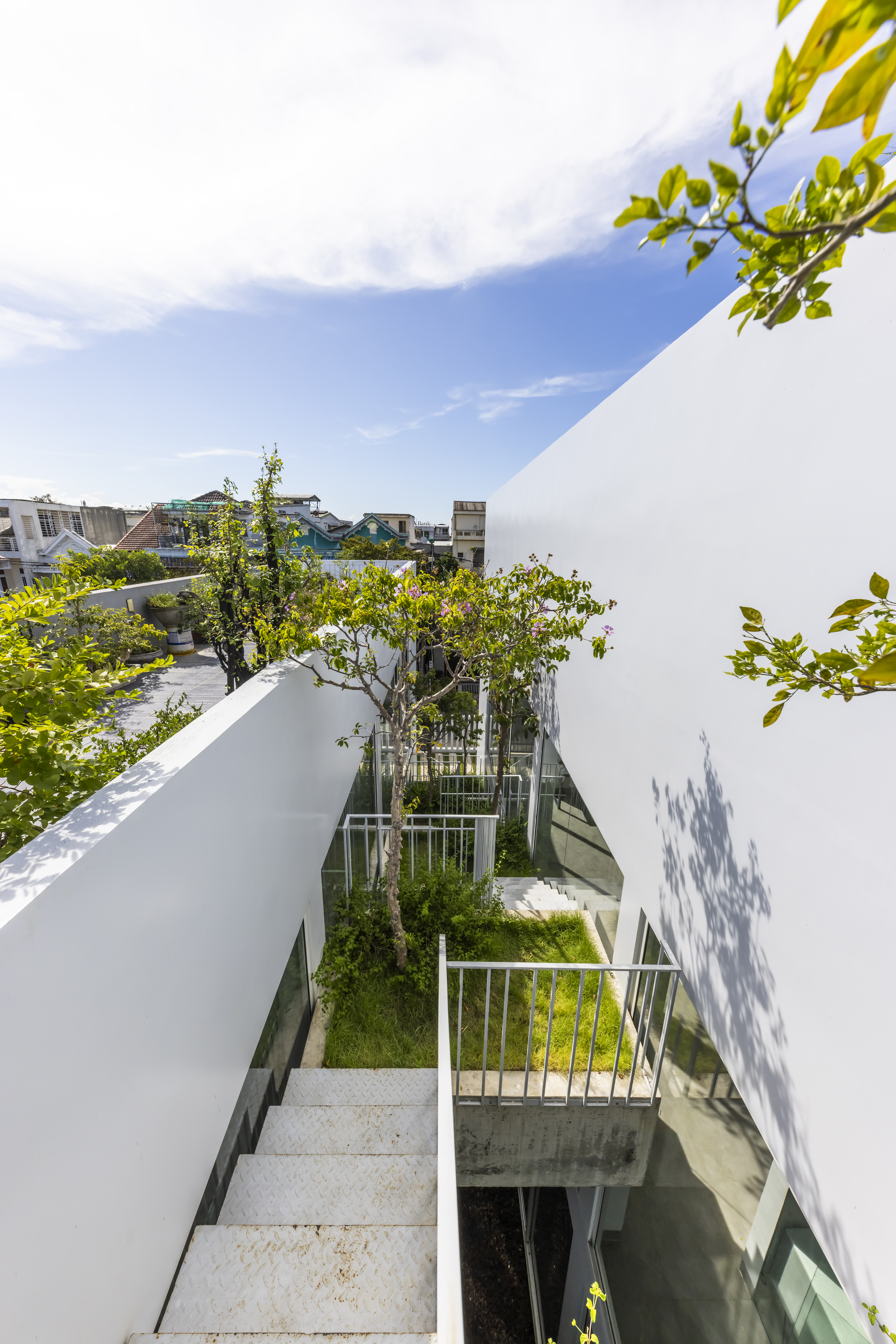
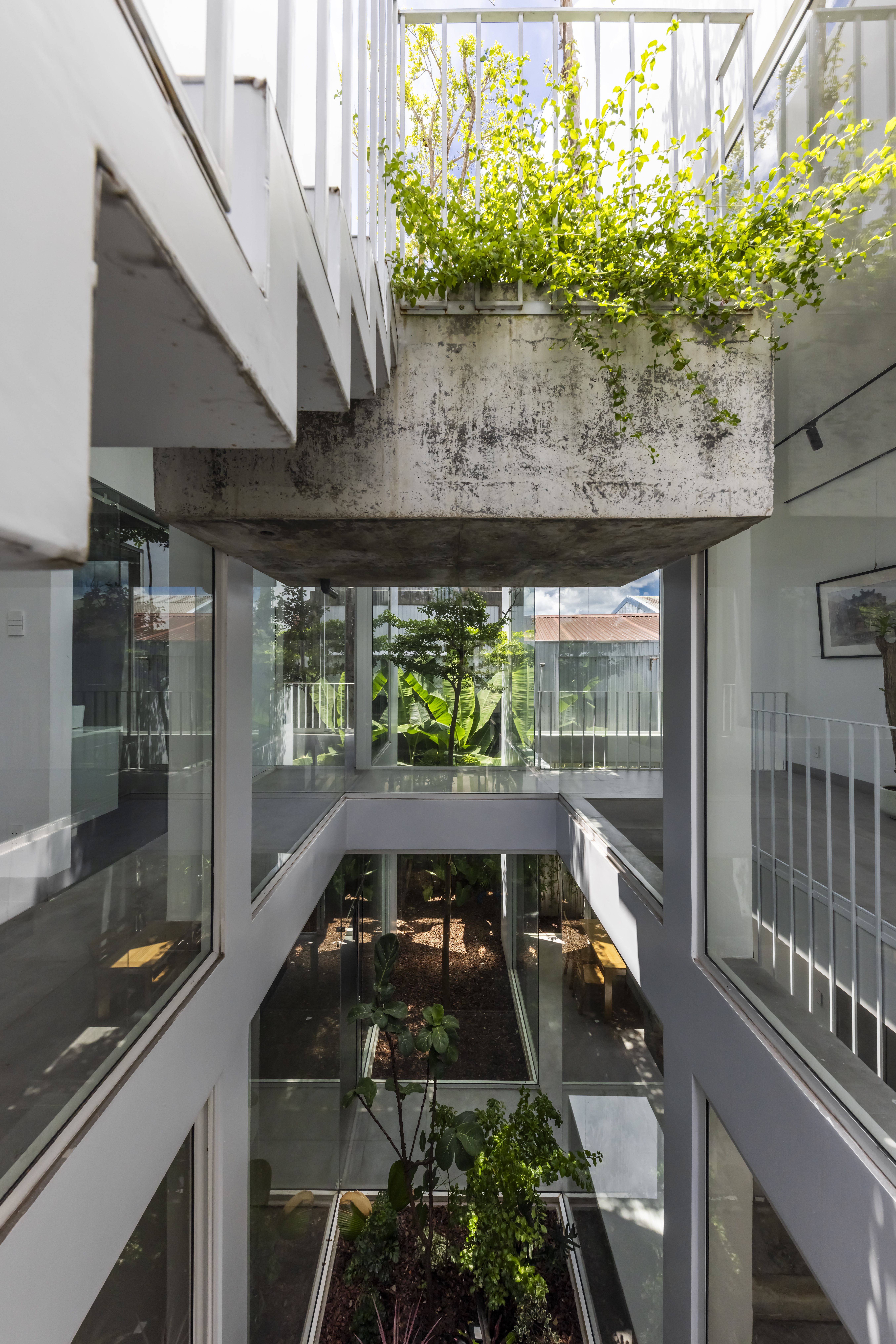
Unlike usual shophouses, Nala House is divided into two blocks by a void cut in the middle.

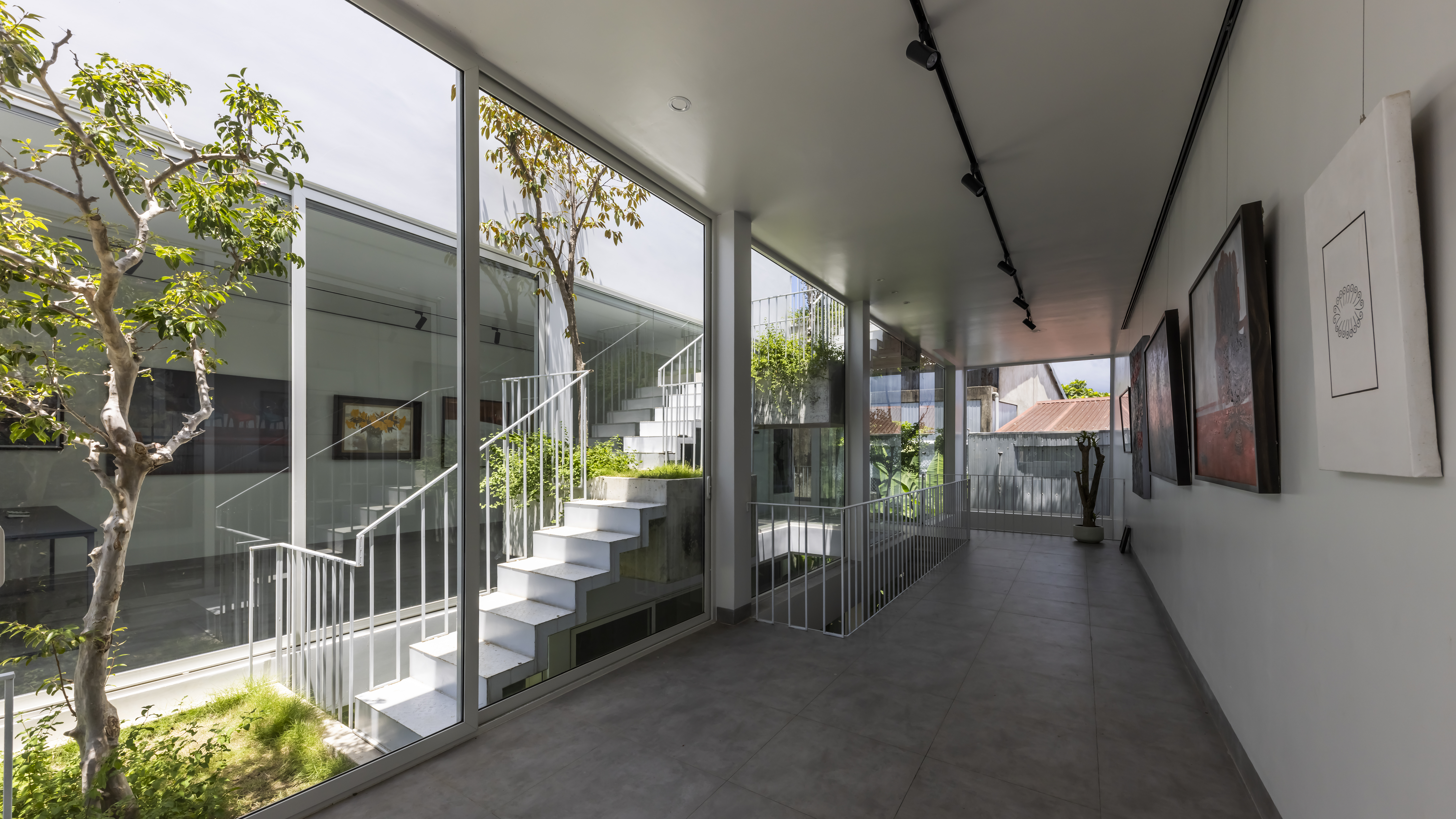

The two subblocks are connected by bridges, stairways, and many portions of a little garden. Having such a lengthy plan is one of the drawbacks any shophouse owner would face, as they are unable to appreciate the outdoor landscape. However, the peaceful scenario visible from any angle of the Nala house charmingly fixes this issue.

Not only does it create a fantastic view of its own, but this biophilic crack also performs as a perfect natural light source and a friendly temperature cooling feature. The architect once again explained, “As far as we know, most Asian shophouses do not have open spaces, natural light, and natural ventilation. The residents seem to accept these obvious living conditions in an urban area easily. In this situation, we believe architectural design plays an important role in proving to them that they could have a better living environment wherever they are.”

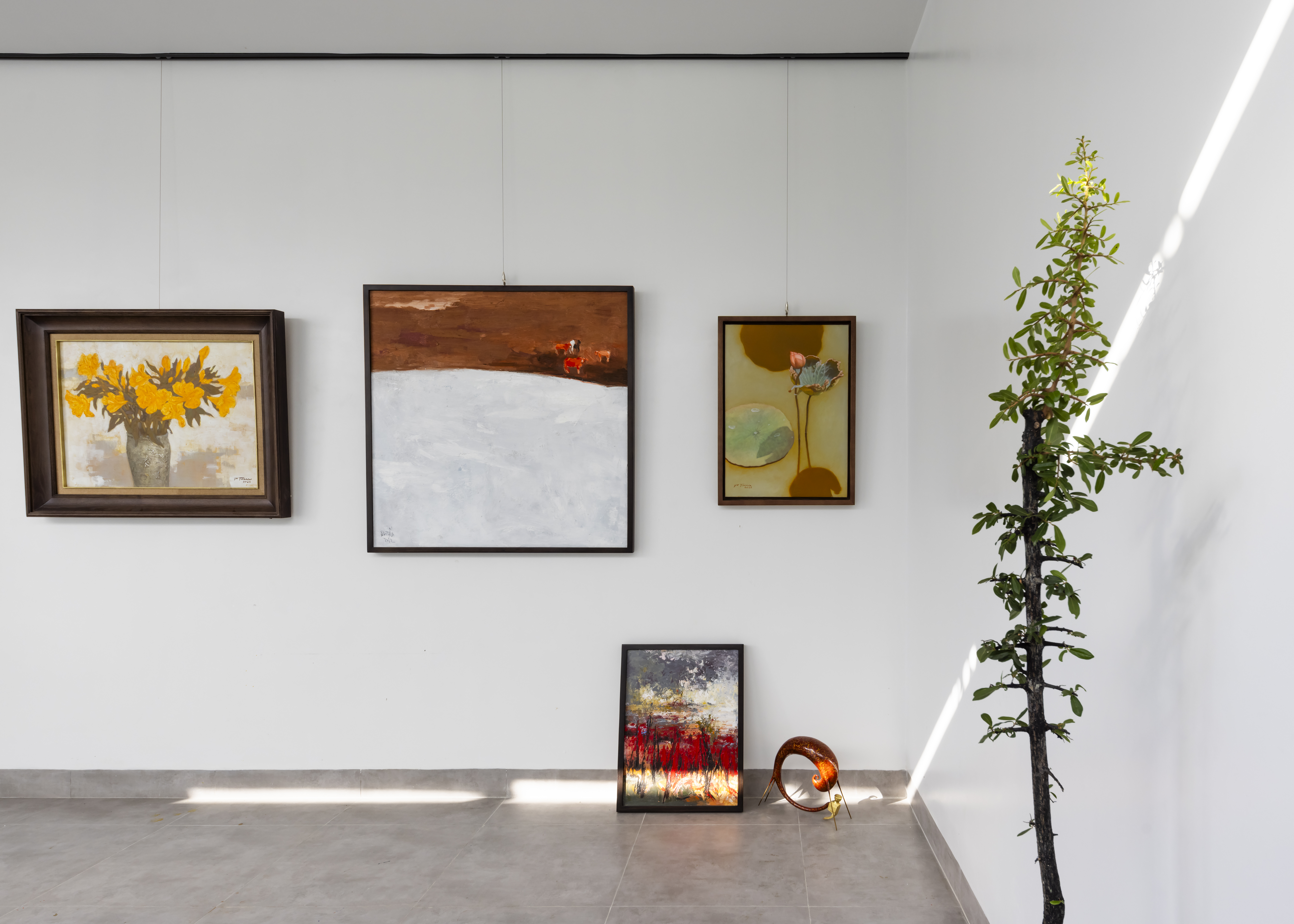
Concrete walls and glass panels are the two main components of Nala House. This house becomes very welcoming for exhibition visitors with its simple materials because all the art pieces can be fully displayed without any element overshadowing the other components.

Managing the walking route leading users to private and public spaces is also challenging for this project. The architect separated the passage into two main circulations since the house also needs to function as both a gallery and an art studio. The one inside is definitely for the house owners, while guests can access the art spaces by taking the greenery stairways. Another fascinating point of this design is that the stairways in the middle not only lead to the gallery and studio, but users can also walk along this path and then reach up to the rooftop without changing directions on the Y axis of the project’s master plan.

Without a doubt, Nala House has grown to be one of the most iconic modern houses that surprisingly complements Hue’s historical landscapes. The architect concluded, “It is a designer’s job to divide and balance every space in the house, bringing the residents natural sunlight and ventilation and a lot of subconscious benefits. We believe it is possible to satisfy both functional and aesthetic aspects if the house is well-designed.”
Project Name : Nala House
Architect : NKAA
Completion Year : 2023
Location : Hue City, Vietnam
Gross Built Area : 320 sq.m.
Photo : Hiroyuki Oki

รับข่าวสารเรื่องการออกแบบ สถาปัตยกรรม ไลฟ์สไตล์
ทางอีเมล ที่จะส่งตรงถึงคุณทุกเดือน ลงทะเบียนได้ที่ด้านล่างนี้เลย!
Subscribe now to keep reading and get access to the full archive.

Automated page speed optimizations for fast site performance